
Introduction
Ranthambore National Park is often known for its majestic tigers, but those who explore it closely also discover its amazing birdlife. Located in the beautiful region of Rajasthan, the park has a mix of forests, open grasslands, and peaceful water areas. This combination creates a perfect home for many different kinds of birds.
Whether you are an experienced birdwatcher or someone who just enjoys nature, the birds here will definitely catch your attention. You can easily spot colorful kingfishers near the water and powerful birds flying high in the sky. Every part of the park feels full of life, with birds moving around and making pleasant sounds.
In this blog, we will take a closer look at 10 interesting bird species found in Ranthambore National Park, along with some useful insights that will help you understand and enjoy their beauty even more.
Why Ranthambore is a Paradise for Bird Lovers
Diverse Habitat
The park has different types of land, and this helps both local and migratory birds live comfortably here. Lakes like Padam Talao and Rajbagh Talao attract many water birds, while the thicker forest areas give birds a safe place to live and rest.
Seasonal Migration
During winters, many migratory birds arrive here, turning the park into a lively birding hotspot.
Easy Spotting Opportunities
Unlike thick forests, Ranthambore National Park has more open land, which makes it easier for visitors to spot birds even from a distance.
10 Fascinating Bird Species in Ranthambore National Park
1. Painted Stork
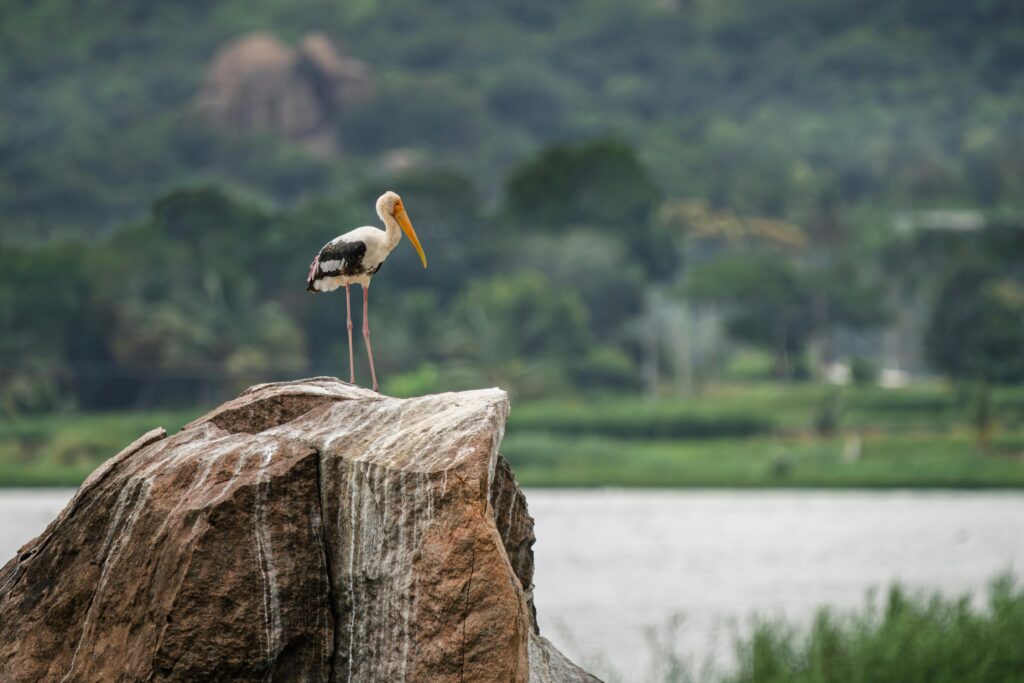
The Painted Stork is known for its beautiful pink and white colors, which make it one of the most attractive birds in Ranthambore National Park. It is often seen near lakes, slowly walking in shallow water while looking for food. Its way of hunting is quite interesting—it keeps its beak in the water and moves it from side to side, quickly closing it as soon as it touches a fish. Painted Storks are social birds, and you will usually see them in groups, which makes the view even more lively and colorful.
Key Highlights:
- Found near lakes and wetlands
- Known for its slow and graceful feeding style
- Often seen in groups
This bird brings bright color to the otherwise natural, earthy look of Ranthambore National Park.
2. Crested Serpent Eagle
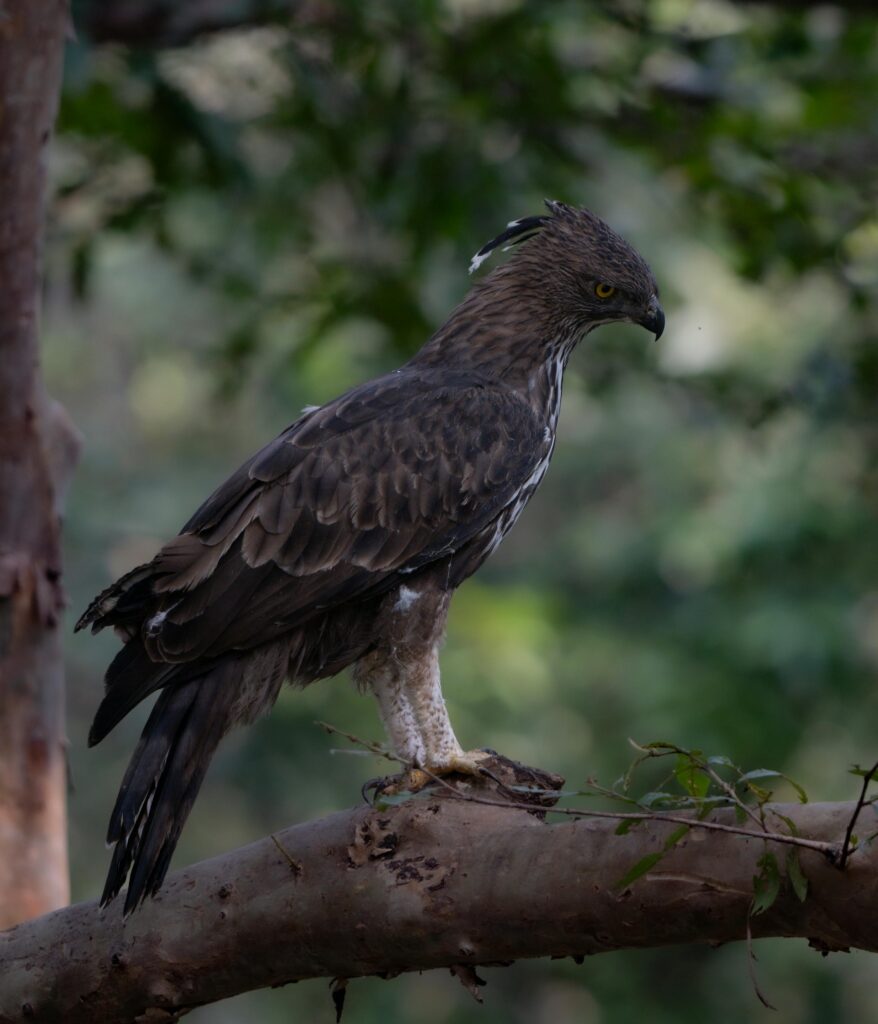
The Crested Serpent Eagle is one of the most powerful birds of prey in Ranthambore National Park. With its sharp eyesight, it can easily spot its food from high above the forest. As the name suggests, it mainly eats snakes and other small animals that crawl on the ground. You will often see it sitting quietly on tree branches, watching everything around it. As soon as it notices movement, it quickly flies down to catch its food. Its loud call can often be heard across the forest.
Characteristics Table:
| Feature | Description |
|---|---|
| Habitat | Forest and open woodland |
| Diet | Snakes and small reptiles |
| Behavior | Solitary and alert |
Its loud and clear call can often be heard across the forest, so you can notice its presence even before you see it.
3. Indian Paradise Flycatcher
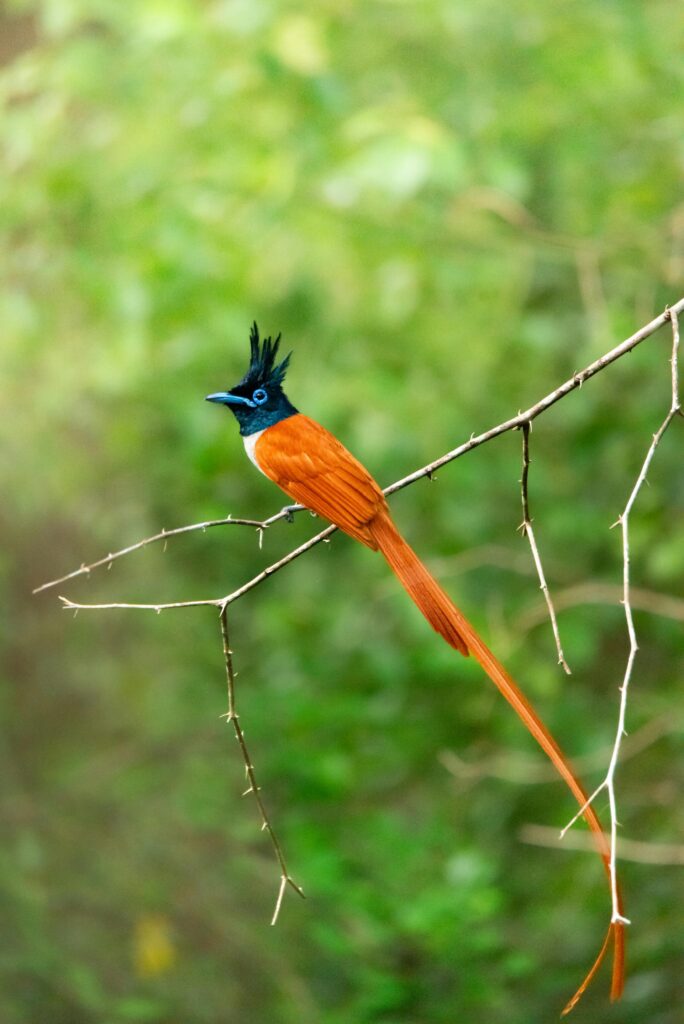
The Indian Paradise Flycatcher is a graceful bird that quickly catches attention. The male, with its long white tail, looks very beautiful as it moves smoothly behind it during flight. These birds are excellent insect hunters and often catch their food in the air. They prefer shaded forest areas and stay active throughout the day. Watching their quick movements and sudden changes in direction is a very enjoyable experience for birdwatchers.
Why It Stands Out
- Elegant flight patterns
- Striking contrast of white and black
- Active and playful behavior
Seeing one glide through the trees feels almost magical.
4. Kingfisher (Common, White-throated, and Pied)
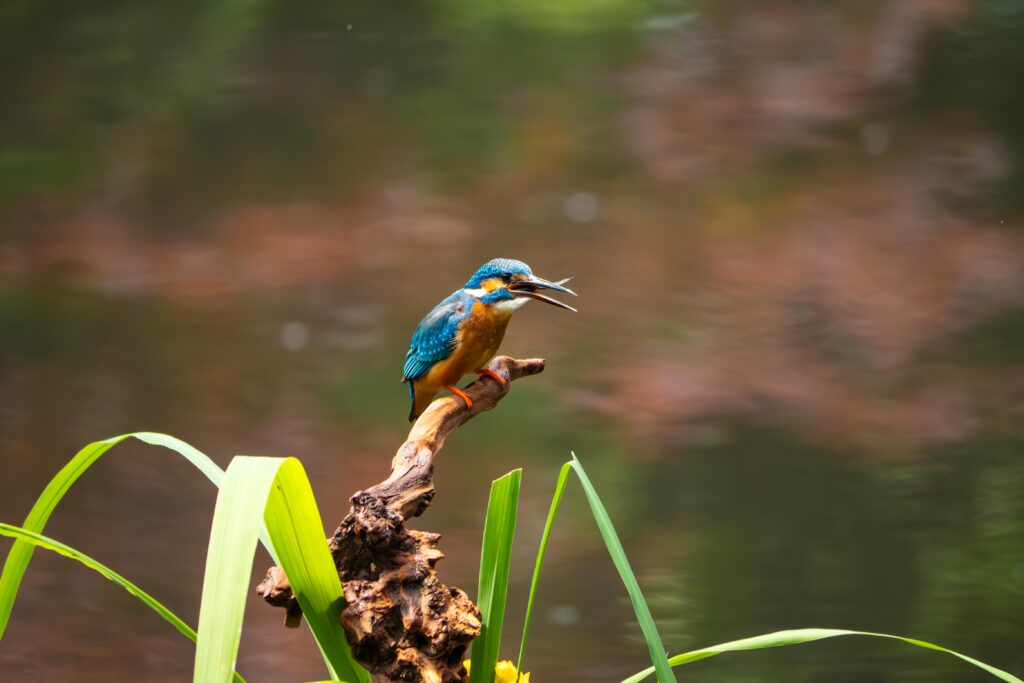
Kingfishers are famous for their bright colors and incredible hunting skills. In Ranthambore, you can spot different species of kingfishers near water bodies. They usually sit patiently on branches, watching the water below. As soon as they spot a fish near the surface, they dive at lightning speed to catch it. Their precision and timing are truly impressive. Each species has its own distinct color pattern, making them even more fascinating to observe.
Types You May Spot:
- Common Kingfisher
- White-throated Kingfisher
- Pied Kingfisher
These birds are usually found near water, diving swiftly to catch fish with remarkable precision.
5. Painted Spurfowl
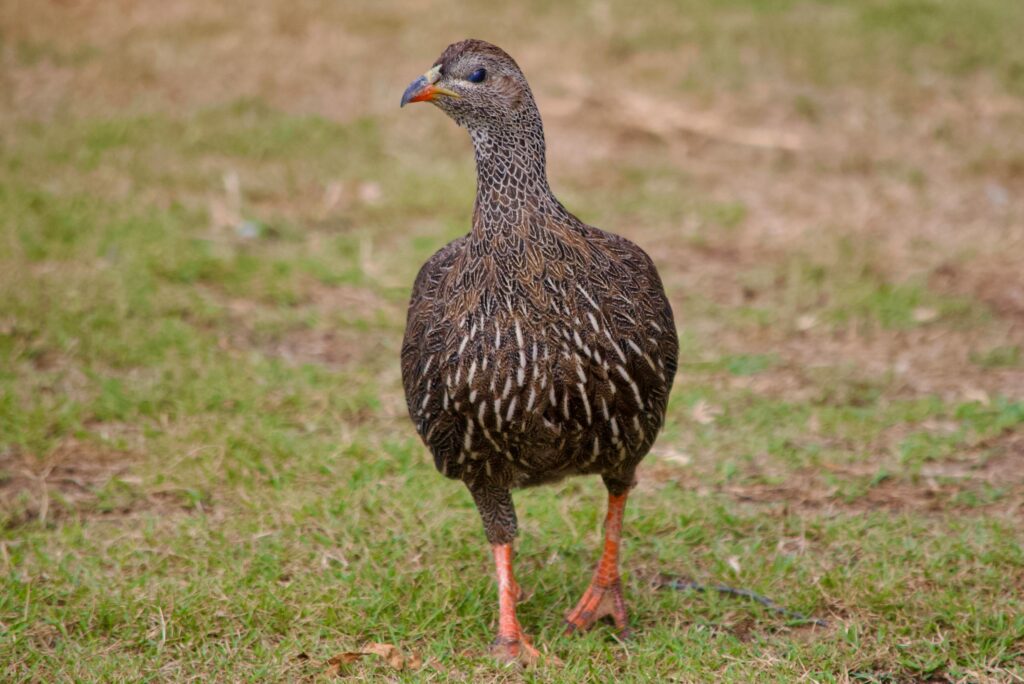
The Painted Spurfowl is a shy bird that lives on the ground and prefers to stay hidden in plants and rocky areas. Its natural colors help it mix well with its surroundings, which makes it hard to see. It eats seeds, insects, and small plants. This bird is most active in the early morning and late evening. If you are patient and watch carefully, you may notice its quick movements and hear its soft, unique calls.
Interesting Facts
- Prefers rocky and bushy areas
- Moves quickly on foot
- Has a distinctive call
It blends so well with the surroundings that spotting one feels like a small achievement.
6. Indian Peafowl (Peacock)
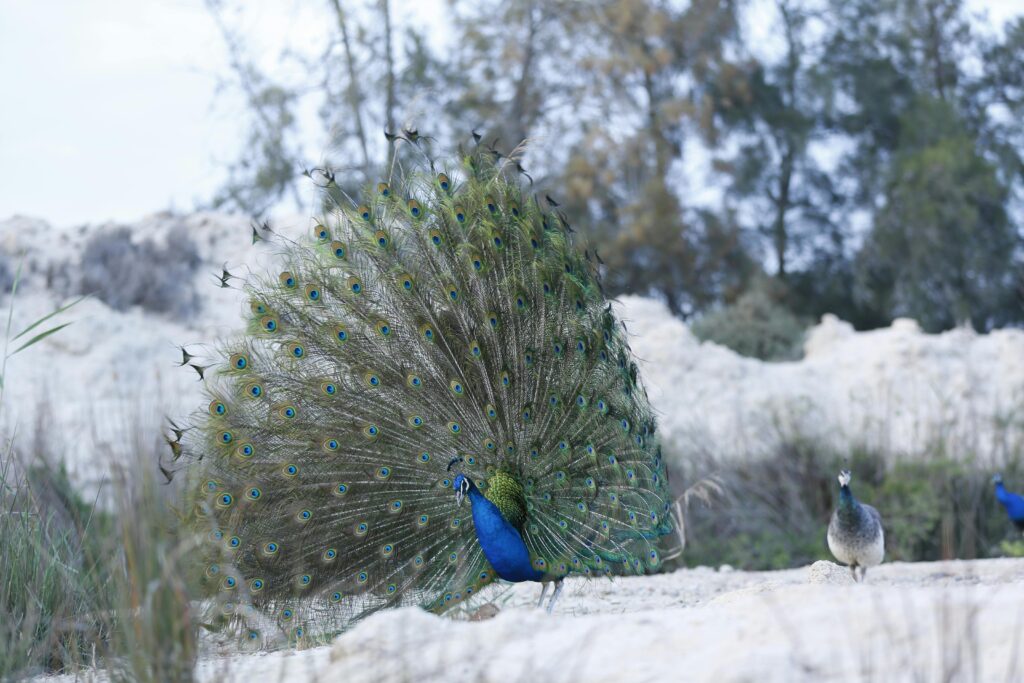
The Indian Peafowl, commonly known as the peacock, is famous all over the world for its beauty. The male has a long, colorful tail that looks very attractive, especially during the monsoon season when it dances to attract a female. These birds are often seen in open forest areas and grasslands. Their loud calls can usually be heard in the early morning and evening. They eat seeds, insects, and small creatures, which helps keep nature balanced.
Why It is Special
- National bird of India
- Known for its vibrant feathers
- Performs beautiful courtship dances
You will often see them walking gracefully or perched on low branches early in the morning.
7. Grey Hornbill
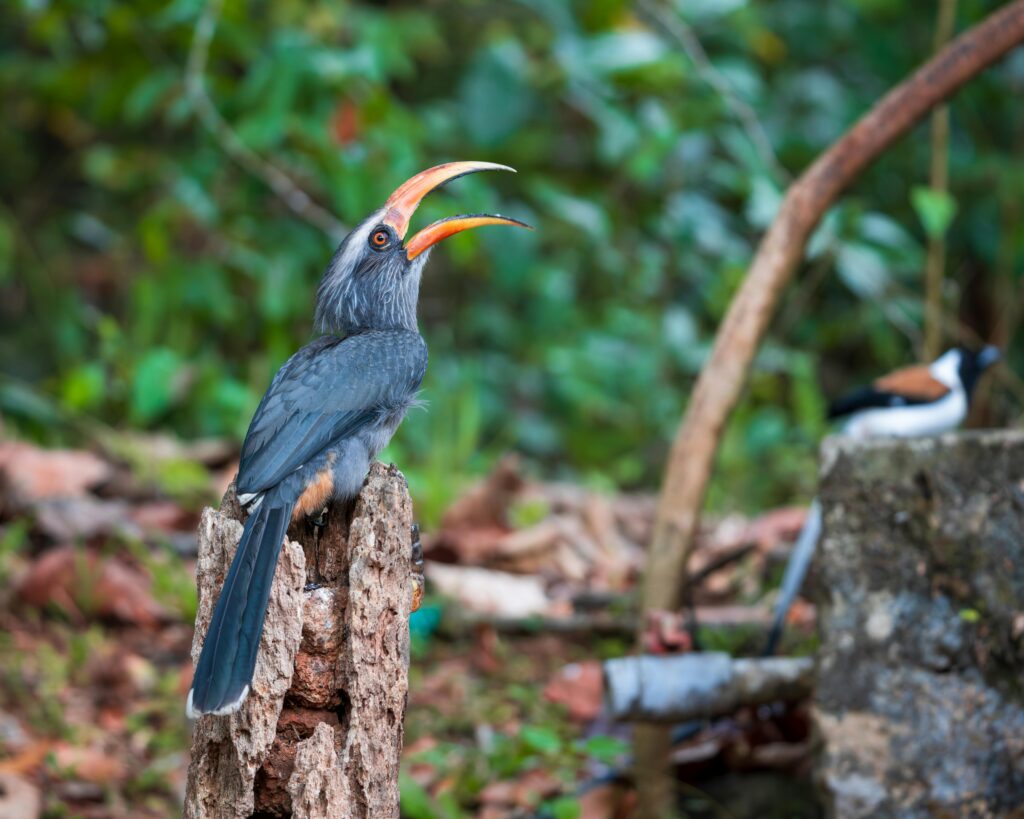
The Indian Grey Hornbill is known for its unique, curved beak and active nature. It mainly eats fruits but also feeds on insects when they are available. These birds spend most of their time in trees and rarely come down to the ground. Their flight is a bit heavy and makes a clear sound, which makes them easy to notice. They are often seen in pairs or small groups, which shows their social nature and strong bond.
Quick Overview:
| Feature | Detail |
|---|---|
| Diet | Fruits and insects |
| Habitat | Open forests |
| Behavior | Often seen in pairs |
Their loud calls and active movements make them easy to notice.
8. Owl Species (Brown Fish Owl & Spotted Owlet)
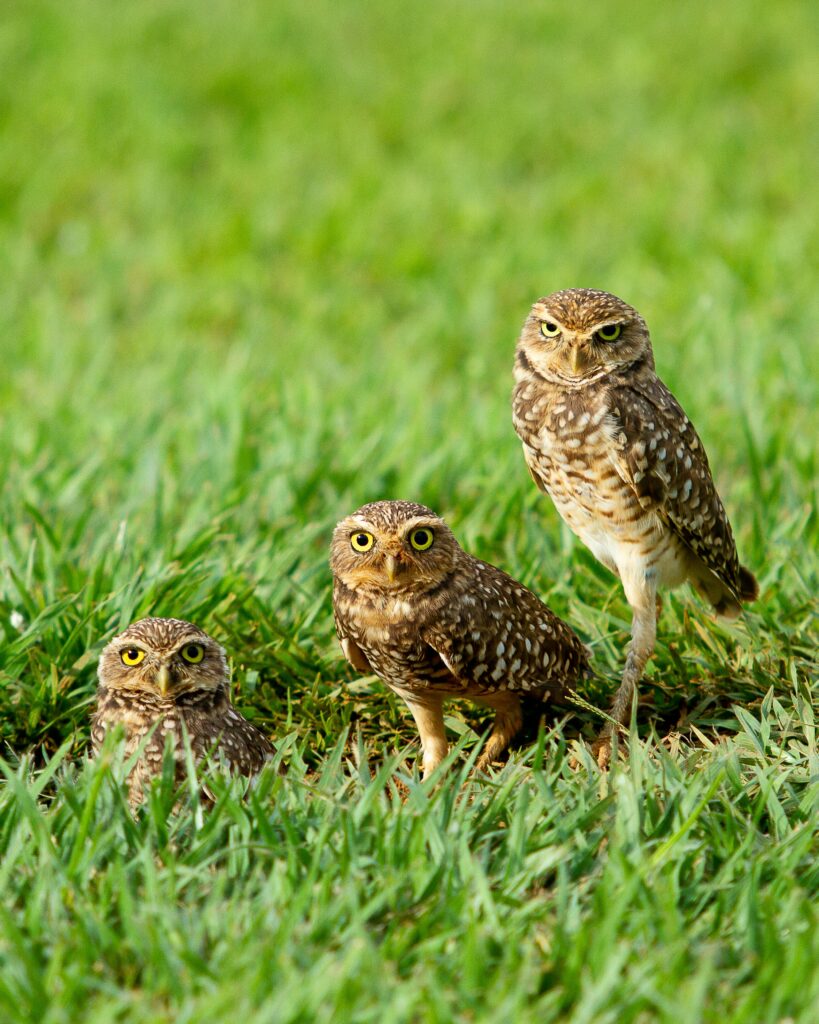
Owls are quiet hunters in Ranthambore National Park and are mostly active at night. The Brown Fish Owl is usually seen near water and hunts fish, while the Spotted Owlet prefers to stay in tree holes and forest areas. Their eyesight and hearing are very sharp, which helps them hunt even in complete darkness. During the day, they rest quietly, but with a bit of luck, you may see them sitting in shaded places.
Common Owl Types
- Brown Fish Owl
- Spotted Owlet
They are usually found resting during the day, perched quietly in tree hollows or shaded branches.
9. Black-shouldered Kite
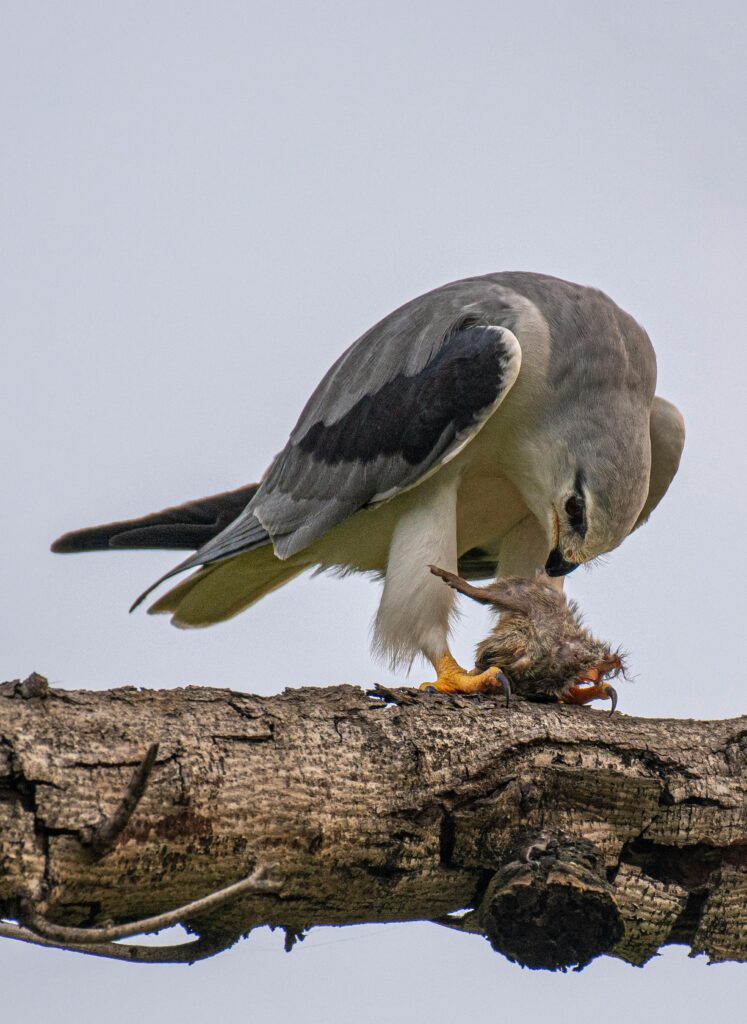
The Black-shouldered Kite is an elegant and focused hunter known for its ability to hover in the air. It can stay almost still while scanning the ground for small rodents or insects. Once it spots its prey, it dives quickly and accurately. Its white body with black shoulder patches makes it easy to identify. This bird is commonly found in open grasslands where it has a clear view for hunting.
Key Traits
- Sharp eyesight
- Smooth hovering flight
- Prefers open grasslands
Watching it hunt is both thrilling and educational.
10. River Tern
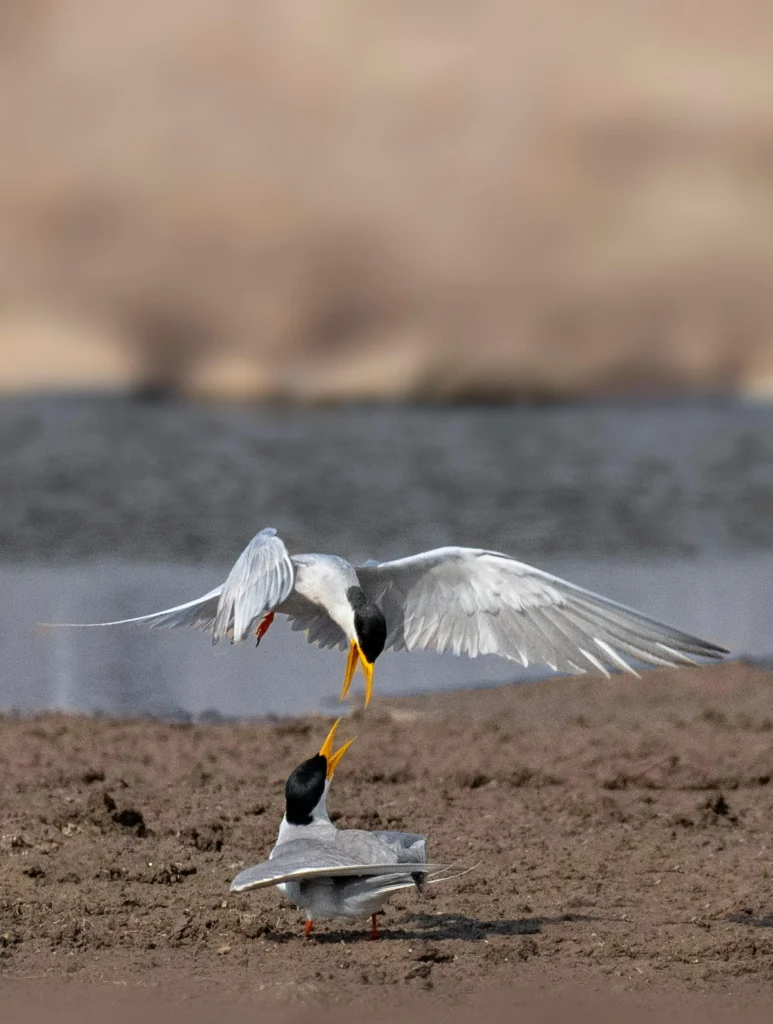
The River Tern is a graceful and energetic bird often seen around lakes and rivers. It is well known for its sharp diving skills. The bird flies above the water, carefully watching for fish, and then dives at the perfect moment to catch its prey. Its smooth and coordinated flight is a pleasure to watch. River Terns usually stay in small groups, and their synchronized movements create a beautiful visual experience.
Highlights:
- Slim body with long wings
- Sharp diving skills
- Often seen in pairs or small groups
Its swift movements over water make it a joy to observe.
Best Time for Bird Watching in Ranthambore
Winter Season (October to March)
This is the best time as migratory birds arrive, increasing the variety.
Early Morning & Late Afternoon
Birds are most active during these hours, making sightings more frequent.
Tips for Bird Watching in Ranthambore
Essential Tips
- Bring binoculars with you so you can see birds more clearly
- Stay quiet and be patient while watching birds
- Wear simple clothes that match the natural surroundings
- Keep your camera ready, but do not move suddenly
What to Avoid
- Loud noises
- Flash photography
- Disturbing natural habitats
Bird Watching Checklist
Here’s a quick checklist to make your trip smoother:
- Binoculars
- Camera with zoom lens
- Notebook for observations
- Water bottle
- Comfortable clothing
How Bird Watching Enhances Your Ranthambore Experience
Most visitors come to Ranthambore National Park hoping to see a tiger. While that is exciting, watching birds adds a new and deeper experience to your trip. It helps you slow down, pay more attention, and feel more connected to nature.
Instead of rushing through safaris, you start to notice the sounds, movements, and small activities happening all around you.
Conclusion
Ranthambore National Park is much more than a tiger reserve—it is a thriving ecosystem where birds play an essential role in maintaining balance. From the vibrant Painted Stork to the powerful Crested Serpent Eagle, every species adds its own charm to the landscape.
Exploring this park through the lens of bird watching opens up a completely different experience—one that is peaceful, engaging, and deeply rewarding.
If you’re planning your next wildlife trip, consider going beyond the usual and take time to appreciate the incredible birdlife here. With the right guidance and planning, trusted travel partners like Pioneer Holidays can help you make the most of your Ranthambore journey.
Frequently Asked Question
1. What are the most famous bird species found in Ranthambore National Park?
Ranthambore is home to over 300 bird species, making it a paradise for bird lovers. Some of the most fascinating ones include the painted stork, crested serpent eagle, Indian paradise flycatcher, and kingfishers. Wetland areas like Rajbagh Lake attract migratory birds, while dry forests host raptors and woodland species. This diversity makes Ranthambore a year-round birdwatching destination.
2. When is the best time to see birds in Ranthambore?
The best time for birdwatching in Ranthambore is between October and March. During this period, migratory birds from Central Asia and Europe arrive, increasing species variety. Winter mornings are especially rewarding, as birds are more active and visible around lakes and open grasslands.
3. Are there any rare or endangered birds in Ranthambore National Park?
Ranthambore is home to several rare and near-threatened bird species. Notable examples include the painted spurfowl, the Indian skimmer (which is occasionally seen), and the woolly-necked stork. Birds of prey such as the laggar falcon and the crested hawk-eagle further highlight the park’s natural significance. Continuous conservation efforts play an important role in protecting their habitats and supporting their survival within the park.
4. Where are the best spots for birdwatching inside Ranthambore?
Top birdwatching spots include Padam Talao, Malik Talao, and Kachida Valley. These areas offer a mix of water bodies, grasslands, and forest cover, attracting a wide range of species such as waterfowl, raptors, and songbirds.
5. Is Ranthambore good for birdwatching compared to tiger safaris?
While Ranthambore is globally known for its tiger population, birdwatching offers a more immersive and peaceful wildlife experience. Unlike tiger sightings, which depend on luck, birds are abundant and easier to spot. Birdwatching also encourages visitors to slow down and observe subtle natural details, making the safari experience richer and more rewarding.
You May Also Like – Golden Triangle Tour with Ranthambore
