
Introduction
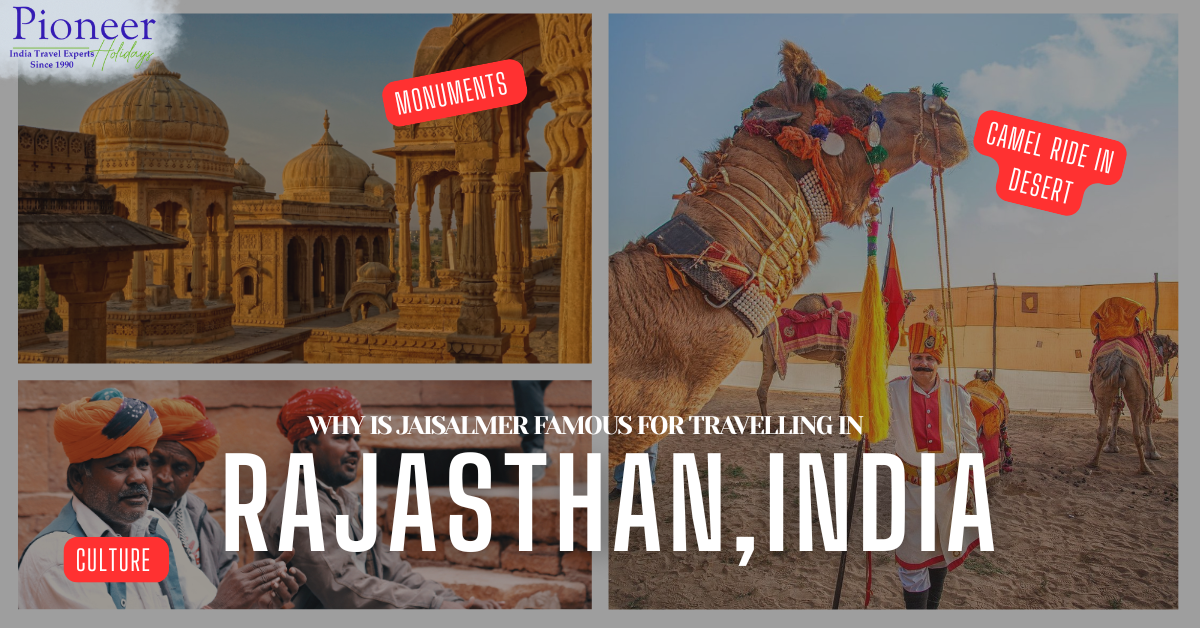
Jaisalmer sits like a shimmering jewel in the heart of the Thar Desert, and if you have ever wondered why Jaisalmer is famous for travelling in Rajasthan, the answer becomes crystal clear the moment you see it. This isn’t just another desert town—it’s a living, breathing piece of history that transports you back centuries while keeping you grounded in the present.
Walking through Jaisalmer feels like stepping into a golden dream. The entire old city glows with a warm, honey-colored hue, especially during sunset. But beyond the Instagram-worthy aesthetics, Jaisalmer offers something deeper: authentic experiences, untouched desert landscapes, and a culture so rich that it stays with you long after you leave.
Whether you are a first-time traveler to Rajasthan or a seasoned explorer, understanding what makes Jaisalmer famous helps you plan a trip that goes beyond typical tourist circuits. Let’s dive into what makes this desert city such a beloved destination for travelers from around the world.
The Golden City: History Wrapped in Sand
Jaisalmer earned its nickname “The Golden City” for a very good reason. Built in 1156 CE by Maharaja Jaisal Singh, this fortress city was strategically positioned along ancient trade routes. The city’s architecture tells stories of merchants, warriors, and royalty who once walked these streets.
The magic behind Jaisalmer’s golden appearance comes from the local sandstone used in construction. This yellowish-brown stone catches sunlight in a way that makes the entire city shimmer gold. It’s not magic—it’s geology working in perfect harmony with architecture.
What truly sets Jaisalmer famous for travelling is that it remained largely untouched by modern commercialization for centuries. While other Rajasthan cities modernized rapidly, Jaisalmer maintained its medieval charm. The narrow lanes, the intricately carved havelis, and the dense old city layout create an atmosphere that feels genuinely historical rather than reconstructed for tourism. The city’s cultural significance extends beyond its physical beauty. Jaisalmer served as a crucial junction during the silk route era, connecting India with Central Asia and beyond. This heritage as a trading hub infused the city with a cosmopolitan spirit that still exists today—evident in its diverse architecture and eclectic cultural influences.
Jaisalmer Fort: The Crown Jewel
No discussion about why Jaisalmer is famous for travelling can skip the magnificent Jaisalmer Fort. Unlike many forts that stand isolated on hilltops, this fort is integrated directly into the city. Around 3,000 people still live within its walls, making it one of the world’s few inhabited ancient forts.
The fort’s three-story yellow sandstone walls rise dramatically from the desert landscape. When you stand at the top, gazing across the endless sand dunes, you understand why this location was chosen. The strategic vantage point would have allowed defenders to spot approaching caravans or armies from miles away.
Inside the fort, you will find:
- Maharaja’s Palace: A stunning residential structure with intricate carvings and beautiful courtyards
- Jain temples: Seven interconnected temples built between the 12th and 15th centuries
- Gyan Bhandar: An ancient library housing thousands of manuscripts
- Narrow lanes: Filled with shops, restaurants, and guesthouses offering authentic experiences
The best time to explore the fort is early morning or late evening. During midday, the desert heat becomes intense. Plus, the golden light during these hours makes photography absolutely magical. Budget at least 3-4 hours to properly experience the fort’s various sections and soak in the atmosphere.
The Thar Desert: Where Sand Meets Soul
Ask any seasoned traveler why Jaisalmer is famous for travelling, and they will likely mention the Thar Desert. The desert experience here isn’t just about adventure—it’s deeply spiritual.
Sam Sand Dunes: The Desert’s Crown
Sam, located about 42 kilometers from Jaisalmer town, remains the most popular desert destination. The golden dunes stretch endlessly, creating landscapes that look unreal. The dunes can reach heights of up to 80 meters, offering thrilling challenges for those who want to climb them.
What makes Sam special:
- Authentic desert village: A real settlement exists here where you can meet local communities.
- Sunset and sunrise views: The sky transforms into shades of orange, pink, and purple.
- Desert camps: Overnight stays under star-filled skies.
- Camel rides: Journey deeper into the dunes like ancient merchants once did.
Camel Safari: A Journey Through Time
A camel ride in the Thar Desert represents the quintessential Jaisalmer experience. These ships of the desert have carried travelers, traders, and warriors across this harsh landscape for centuries. Today, they carry tourists, but the romance remains unchanged.
Most camel safaris last 2-4 hours. You will ride across various terrain—from soft sand to rocky surfaces. The gentle swaying motion becomes meditative. Many travelers report that this simple activity, devoid of modern distractions, becomes a highlight of their entire Rajasthan journey. If you prefer adventure activities, you can try dune bashing in jeeps, sandboarding, or quad biking. Each offers a different perspective of the same magnificent landscape.
Architectural Marvels: The Havelis
Jaisalmer’s havelis represent an architectural style unique to this region. These are traditional mansions built by wealthy merchants during the 18th and 19th centuries. Unlike standard palaces, havelis were designed for living, with clever ventilation systems and intricate courtyards.
Patwon Ki Haveli: The Masterpiece
Standing five stories high, Patwon Ki Haveli remains the most impressive haveli in Jaisalmer. Built over 40 years by the same family, the craftsmanship is evident in every detail. The yellow sandstone facade features delicate carvings that seem to tell stories through stone.
Walking through Patwon Ki Haveli feels like exploring a museum dedicated to merchant life centuries ago. You see the display rooms, the living quarters, the kitchens—each space revealing how wealthy families lived.
Other notable havelis include:
- Salim Singh Ki Haveli: Known for its unique rooftop peacock design
- Nathmal Ki Haveli: Still partially inhabited and maintained by descendants
- Khimsar Fort nearby: Offers a complete fort experience just outside the city
These architectural treasures showcase the prosperity that once flowed through Jaisalmer. The intricate stone carvings represent hundreds of hours of skilled labor—art that you simply cannot mass-produce.
Cultural Soul: Music, Dance, and Traditions
What often gets overlooked in travel guides is Jaisalmer’s living culture. This isn’t a city that performs traditions for tourists—it lives them.
Folk Music and Dance
The Thar Desert has birthed unique musical traditions. You will hear instruments like the sarangi, khyal, and dholak in local performances. Evening cultural shows feature traditional dances like Ghoomer, which tells stories of desert women’s resilience.
If you visit during local festivals, you will experience authentic celebrations where tourists blend naturally with residents rather than observing from the sidelines.
Local Crafts and Artistry
Jaisalmer’s skilled artisans create stunning embroidered textiles, leather goods, and woodwork. Unlike mass-produced souvenirs found in tourist markets, items here often come directly from 0.
Best Times to Visit Jaisalmer
Timing your visit matters significantly in a desert city.
| Season | Temperature | Weather | Best For |
| October-March | 10-25°C | Pleasant, clear skies | Ideal for desert safaris, exploration |
| April-May | 30-45°C | Very hot, occasional dust storms | Less crowded, budget travel |
| June-September | 25-35°C | Monsoon rains, less humidity | Lush landscapes, fewer tourists |
The October-to-March window is undoubtedly the best period. The weather is comfortable for outdoor activities, desert safaris are fully operational, and the desert landscape looks its most dramatic.
Shopping and Souvenirs
Jaisalmer’s markets pulse with energy. The city bazaar, particularly around the fort, overflows with textiles, jewelry, and handicrafts.
What to buy:
- Rajasthani embroidered fabrics: Featuring intricate mirror work and thread designs
- Leather goods: Beautifully crafted shoes, bags, and belts
- Wooden furniture: Hand-carved pieces reflecting desert aesthetics
- Brass and metalware: Decorative items and functional pieces
- Traditional jewelry: Silver ornaments and beaded accessories
Shopping in Jaisalmer differs from buying in major cities. Prices are reasonable, and you directly support local artisans. Bargaining is expected in most shops—it’s part of the cultural experience, not considered rude.
Rajasthani Cuisine: Flavors of the Desert
Food in Jaisalmer reflects the region’s history and climate. The desert’s harsh conditions created cooking methods and ingredients that lasted centuries.
Must-try dishes:
- Dal Baati Churma: Lentils, baked bread, and crumbled wheat—comfort food at its finest
- Gatte Ki Sabzi: Gram flour dumplings in yogurt curry
- Ker Sangri: A unique desert vegetable preparation
- Bajra Roti: Millet bread, nutritious and traditionally made
- Mawa Kachori: Sweet pastries filled with condensed milk and nuts
- Jaisalmer Ras: A traditional sweet dessert
Street food here is exceptionally clean and affordable. Don’t miss local vendors selling fresh lassi (yogurt drink) or jalebi (fried sweet) along the main bazaar.
Photography Paradise
Jaisalmer offers some of Rajasthan’s best photography opportunities.
Best spots:
- Fort during golden hour: Shoot from the surrounding pathways for the entire fort in frame.
- Sam Dunes at sunrise: Arrive 30 minutes before dawn for magical light.
- Old city lanes: Early morning captures locals engaging in daily activities without crowds.
- Patwon Ki Haveli facade: Best photographed from the main bazaar in afternoon light.
- Desert camps: Night photography of stars and campfires creates stunning memories.
If photography is your passion, consider dedicating extra days to Jaisalmer. The city reveals new visual stories at different times and seasons.
Travel Duration and Itinerary
Jaisalmer works excellently as a base for exploring the broader region.
| Destination | Distance | Travel Time | Highlights |
| Khimsar Fort | 80 km | 2 hours | Heritage hotel, fort tours, desert scenery |
| Pokharan | 100 km | 2.5 hours | Wildlife sanctuary, fort, rural Rajasthan |
| Ramsar Wetland | 35 km | 1.5 hours | Bird watching, natural beauty |
| Lodurva | 15 km | 30 min | Jain temples, historical ruins |
| Tanot Mata Temple | 120 km | 3 hours | Border town, temple, war museum |
If you are planning a longer Rajasthan trip, consider exploring the Ultimate Classic Rajasthan Tour 13 Days, which includes Jaisalmer as a key destination alongside Jaipur, Udaipur, and other iconic cities.
Why Foreign Travelers Love Jaisalmer
International visitors consistently rank Jaisalmer among Rajasthan’s top destinations. Several factors explain this popularity:
Authenticity: Unlike commercialized tourist destinations, Jaisalmer feels genuine. The culture isn’t performed for visitors—it’s lived daily.
Accessibility: The city is well-connected by air, rail, and road. Hotels range from budget guesthouses to luxury resorts, catering to all travelers.
Diverse experiences: Whether you seek adventure, culture, history, or relaxation, Jaisalmer delivers. Many travelers describe it as emotionally fulfilling rather than merely entertaining.
Affordability: Compared to other Indian tourist destinations, Jaisalmer offers excellent value for money without compromising on experience quality.
Escape from crowds: While not completely undiscovered, Jaisalmer remains less overwhelming than major Indian cities. You experience tourism without feeling lost in it.
Travel Tips for First-Time Visitors
Before you go:
- Get acclimatized: Plan your first day lightly to adjust to desert climate and altitude
- Book accommodations in advance: October-March sees peak tourism; availability becomes limited
- Pack appropriately: Sunscreen, hat, and loose cotton clothing are essential
- Stay hydrated: The desert dehydrates quickly; drink more water than you think necessary
- Respect local customs: Dress modestly, especially when visiting temples and havelis
During your stay:
- Hire local guides: They provide context and stories that guidebooks can’t capture
- Eat where locals eat: Street vendors and small restaurants offer authentic food safely
- Wake up early: Best experiences happen before crowds arrive
- Interact respectfully: Learn basic Hindi greetings; locals appreciate the effort
Bargain with a smile: Haggling is cultural, not adversarial
Getting There
By Air: Jaisalmer Airport has regular flights from Delhi, Jodhpur, and other major cities. Most travelers fly into Delhi and then take domestic flights or drives.
By Train: The Jaisalmer Railway Station connects to major Indian cities. Train journeys through Rajasthan offer their own magical experiences.
By Road: Jaisalmer lies about 285 km from Jodhpur. If you are exploring Rajasthan comprehensively, a Rajasthan Tour Package can be extended to include Jaisalmer and other desert destinations.
Accommodation Options
Jaisalmer offers diverse lodging:
- Luxury heritage hotels: Located in restored havelis and forts
- Mid-range guesthouses: Comfortable and clean, often family-run
- Budget hostels: Backpacker-friendly with communal spaces
- Desert camps: Unique overnight experiences in tents under stars
Choose based on your budget and preferences. Even budget accommodations in Jaisalmer maintain good standards and cleanliness.
Conclusion
Jaisalmer is famous for travelling in Rajasthan because it delivers something increasingly rare in our modern world: genuine, transformative travel experiences. The golden-hued fort doesn’t just stand as a historical monument; it represents centuries of human resilience and creativity. The Thar Desert doesn’t just offer adventure; it offers perspective. The havelis don’t merely showcase architecture; they tell stories of ambition and artistry.
Whether you are drawn by history, adventure, culture, or photography, Jaisalmer fulfills those desires in ways that feel authentic rather than manufactured. The city challenges you physically with its desert heat, enriches you culturally through its traditions, and touches you emotionally through its unhurried pace and genuine hospitality.
When you plan your Rajasthan journey, prioritize Jaisalmer. Dedicate time to it—not just days but genuine presence. Walk through the old city without rushing. Sit quietly atop the fort during sunset. Ride a camel into the desert and feel the centuries of tradition in every sway. Eat local food and chat with shop owners. Let this golden city work its magic on you. If you are considering a comprehensive Rajasthan experience that includes Jaisalmer’s treasures alongside other iconic destinations, Pioneer Holidays specializes in curating journeys that balance well-known attractions with authentic, lesser-explored experiences. Their expertise in desert travel and cultural immersion makes them an excellent partner for planning a Rajasthan adventure that truly captures why Jaisalmer is famous for travelling in this magnificent state.
Frequently Asked Questions
1. What is the best time to visit Jaisalmer?
October to March is ideal. During these months, temperatures range from 10-25°C, making exploration comfortable. The desert landscape looks dramatic, and weather conditions are perfect for desert safaris and outdoor activities. Avoid April-May due to extreme heat and June-September due to occasional monsoon disruptions.
2. How many days should I spend in Jaisalmer?
Three to four days is optimal for first-time visitors. This duration allows you to explore the fort, visit havelis, experience the desert through a safari and overnight camp, shop in local markets, and absorb the city’s culture without feeling rushed. With less time, you will miss the deeper experiences that make Jaisalmer special.
3. Is a camel ride essential in Jaisalmer?
While not mandatory, a camel ride is highly recommended. It provides a unique perspective on the desert landscape and connects you with centuries of travel traditions. Even if you prefer other desert activities like dune bashing or sandboarding, at least one camel experience should be part of your visit.
4. What should I budget for a Jaisalmer trip?
Budget depends on your travel style. Budget travelers spend $30-40 per day (accommodation, food, activities). Mid-range travelers should plan for $60-100 daily. Luxury travelers can spend $150+ per day. These are approximate figures and can vary based on season, accommodation choices, and activities.
5. Is Jaisalmer safe for solo travelers?
Yes, Jaisalmer is generally safe for solo travelers, including solo female travelers. The city has a well-established tourism infrastructure with plenty of guesthouses catering to solo visitors. Use standard travel precautions: keep valuables secure, be aware of surroundings, respect local customs, and trust your instincts.
6. What’s the difference between Sam Dunes and other desert areas near Jaisalmer?
Sam Dunes is the most developed and accessible desert destination. Other areas like Khuri and Mohangarh offer more authentic, less touristy desert experiences. Sam is ideal for sunset/sunrise views and camel safaris. Other areas work better if you prefer exploring traditional desert villages and avoiding crowds.
7. Can I visit Jaisalmer as part of a larger Rajasthan tour?
Absolutely. Jaisalmer fits well into comprehensive Rajasthan itineraries. It’s 285 km from Jodhpur and 570 km from Jaipur. Many travelers combine it with Jodhpur’s blue-painted architecture, Udaipur’s palace views, and Jaipur’s historical sites for a complete desert and city experience.
Follow us on – Instagram , Facebook
You can check our review on most trusted Travel Platform Like Tripadvisor and Viator .
