
Introduction
I still remember the first time I boarded the train in Jaipur. The color and energy of the city mesmerized me as soon as I stepped out of the station. Pink painted buildings were bathed in the afternoon sun, street vendors were selling their wares and temple bells were ringing somewhere in the distance. That’s when I realized that Jaipur is not just another tourist destination—it’s an experience that grabs you and never lets you go.
Jaipur, the capital of Rajasthan, is one of the most attractive tourist destinations in India. Founded in 1727 by Maharaja Sawai Jai Singh , the city offers a wonderful blend of royal heritage and vibrant street culture that will never cease to amaze you. Whether you are a history lover, an architecture buff or just enjoy immersing yourself in the local surroundings, Jaipur will satisfy you in every sense.
If you are planning your first trip to Jaipur, I recommend you look at comprehensive Jaipur tour packages that cover the main attractions while also leaving room for casual explorations. For those who want to experience multiple cities, the Golden Triangle Tour Package combines Jaipur, Delhi and Agra to offer a complete glimpse of North India’s heritage.
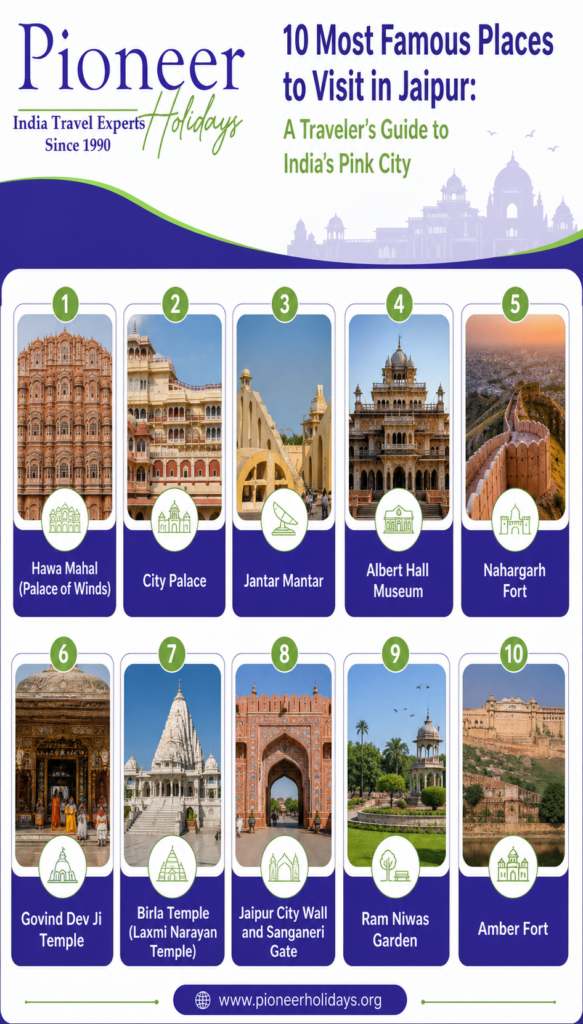
Come, let me tell you about the 10 most famous places of Jaipur which are really worth visiting.
1. Hawa Mahal (Palace of Winds)
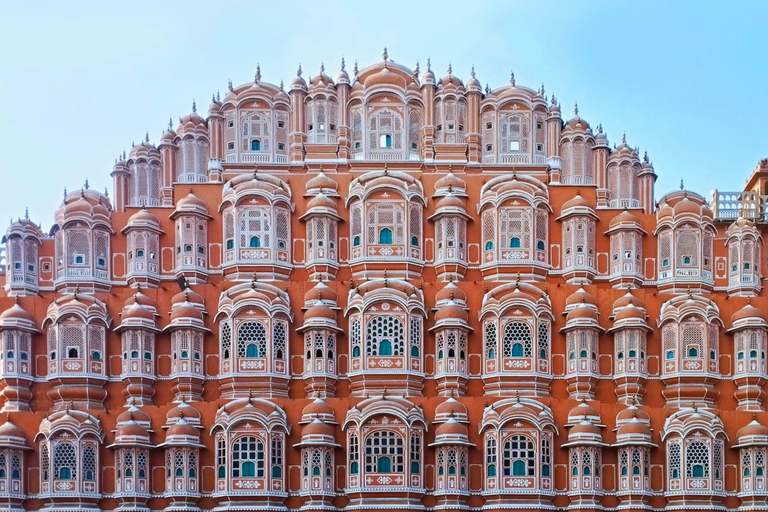
You will rarely be surprised after seeing the first glimpse of Hawa Mahal. While wandering through the narrow streets of the old city of Jaipur, this five-storey pink building suddenly comes into view. The honeycomb-like pattern of 953 tiny windows makes it an amazing architectural masterpiece, photos of which are better than any description.
Built in 1799, Hawa Mahal had a specific purpose. From behind these windows, royal women could watch the street bustle and festivals while still remaining hidden from the eyes of common people—an excellent architectural solution for the time. Even today it is Jaipur’s most famous landmark and appears on countless postcards.
What to Experience: Climb to the upper floors for panoramic views of the city. The narrow stairs and small windows give you an intimate feel of the original design of the palace. There is a museum on the ground floor with historical artefacts, but the real magic lies in the outdoor view.
Best Time to Visit: Early morning (6:00-8:00 am) can avoid crowds to a great extent. The evening light casts lovely shadows on the pink façade. Avoid visiting during the afternoon when the heat becomes unbearable and crowds of tourists gather around the entrance.
Practical tip: During peak hours the building becomes unbearably crowded. The entry fee is approximately ₹50 for Indian citizens and ₹200 for foreign tourists. Take 45 minutes to an hour. Photography is allowed, and the building looks especially attractive during golden hours. Skip the official guide and wander at your own pace—the beauty of the palace is truly appreciated when you wander about independently.
2. City Palace
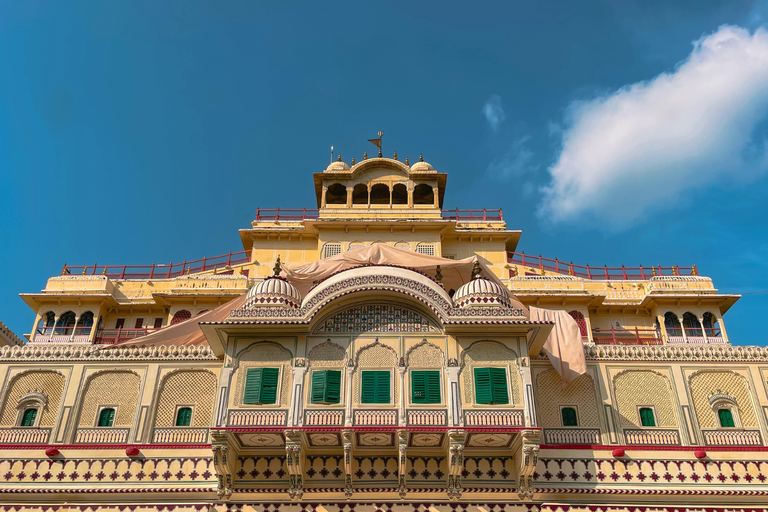
Entering the gates of the City Palace feels as if you are stepping into a living, breathing piece of history. Unlike many historical monuments that have stagnated over time, the City Palace is still home to members of the royal family, giving it an authenticity not found in most tourist destinations.
This palace is such a unique confluence of Rajasthani and Mughal architecture that it may look strange, but is still wonderful. Intricate carvings, geometric shapes and vibrant colors adorn almost every surface. Built in 1732 and continuously expanded, the palace symbolizes centuries of architectural evolution under one roof.
What to Experience: The museum section displays royal costumes, weapons and household objects that tell the stories of court life. As you move further into the complex, the courtyards gradually open up—there is something unexpected to be seen around every corner. Don’t be in a hurry here; Walk slowly through narrow paths and hidden areas.
Best time to visit: The weather is pleasant from October to March. Visit in the morning when light filters through the arches and the corridors are less crowded.
Practical Tips: The entry fee for foreign tourists is ₹350. There is an additional charge of ₹100 for photography inside the museum section. The palace is still partly private, so some areas are restricted. Leave 2-3 hours to fully enjoy the complex without rushing. Wear comfortable shoes—there is a lot of walking on marble floors, which can be slippery.
3. Jantar Mantar
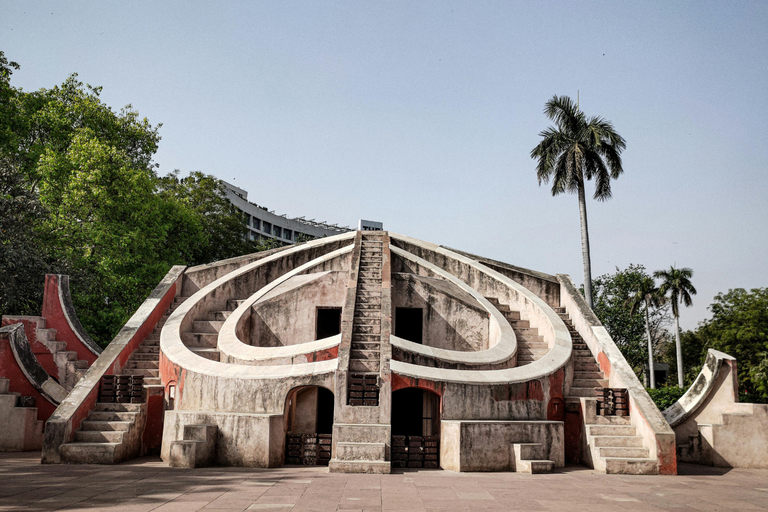
Jantar Mantar puzzles most visitors at first. You walk into an open courtyard and encounter a collection of geometric stone structures that resemble modern art installations. Yet these aren’t sculptures—they’re functioning astronomical instruments built in 1734 by Maharaja Sawai Jai Singh, a man obsessed with mathematics and astronomy.
The word “Jantar Mantar” literally means “calculations and instruments,” and that’s precisely what you’re looking at. The maharaja used these structures to predict celestial events and calculate time with remarkable accuracy. What strikes me most is how this ancient astronomer achieved mathematical precision without telescopes or modern technology.
What to Experience: You’ll really need a guide to understand what you’ll see here. A knowledgeable guide transforms this experience from “random stones” into an interesting lesson in mathematics and astronomy. Different instruments measure time, planetary positions, and eclipses. Stand at certain spots and see how the shadows line up with the measurements.
Best time to visit: Early morning or late afternoon, when the shadows produce the greatest clarity and show how the equipment works. The afternoon sun blurs details and creates harsh shadows that obscure workmanship.
Practical Tip: The entry fee for foreign tourists is ₹600. Audio guides are available and are quite helpful. Take out 1.5 to 2 hours. There is little shade at this place, so be sure to bring water and sunscreen. Photography is allowed, and the geometric structures look very beautiful when taken from high angles.
4. Albert Hall Museum
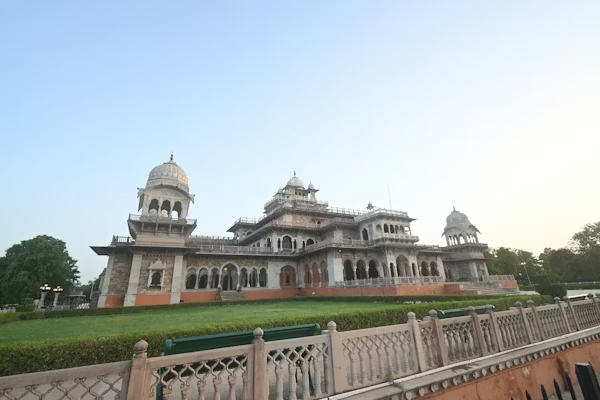
Built in 1887, Albert Hall is one of the oldest museums in India. The building itself is a sight to behold—it’s a blend of Indo-Saracenic architecture that blends Gothic, Islamic and Indian design elements and inspires a sense of reverence the moment you approach it.
Entering the Albert Hall feels like entering a Victorian era treasure trove. Egyptian mummies, Indian sculptures, Persian carpets and centuries-old weapons are on display here. The museum preserves artifacts that tell wide-ranging stories about trade, warfare, culture, and daily life in different eras.
What to Experience: Decorative arts and textiles are displayed on the ground floor. On the upper floors there are weapons, sculptures and antiquities. The Egyptian Mummy exhibit continues to command attention—seeing a human being preserved thousands of years ago creates an emotional impact that lasts long after you’ve left the museum.
Best time to visit: There is less crowd in the morning on weekdays. Avoid visiting on weekends and holidays, as the museum is heavily crowded with families during those times.
Practical Tip: The entry fee for foreign tourists is ₹400. Photography is prohibited inside, which may seem old fashioned, but that’s the rule. Take out 2-3 hours as per your interest. The museum staff seems indifferent to visitors, so don’t expect detailed information. See information cards provided at each exhibit for reference.
5. Nahargarh Fort
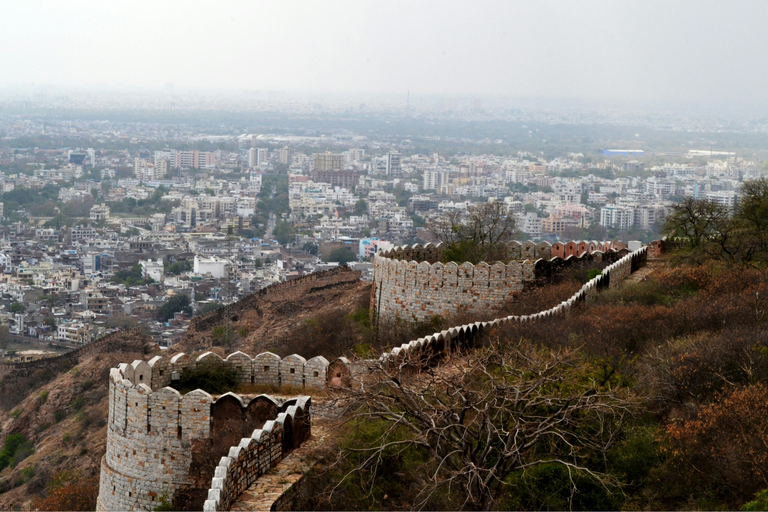
Nahargarh Fort, situated on the rocky hills above Jaipur, offers views that make the steep climb worthwhile. The fort takes its name from the legend of a wild tiger (Nahar) that terrorized the area, although I think this is more an apocryphal story than historical fact.
Driving on the winding roads offers a panoramic view of the city below. The fort is not as grand as other Rajasthani forts, but the view from its elevated position makes it special. The sunset here is unforgettable—the city lights twinkle as the sky turns pink, orange, and purple.
What to Experience: Photography enthusiasts feel like heaven here, especially during sunrise and sunset. The city appears spread out in front of you like a geometric map. There are fewer artefacts on display in some of the rooms inside, but the real attraction lies outside. Be sure to bring binoculars to see distant sites from this height.
Best Time to Visit: At sunset it’s crowded, but the light is magical. The morning time is calm and with clean air. Avoid the peak summer season, when the heat makes climbing difficult.
Practical Tip: The entry fee for foreign tourists is ₹400. Parking charges apply separately. Most tourists spend 1.5-2 hours here. The climb involves approximately 800 steps, so wear comfortable shoes and come in good physical fitness. There is no water available at the top, so bring your own water. The fort closes after sunset, so plan accordingly. Taxi fare from the city center is around ₹300-400.
6. Govind Dev Ji Temple
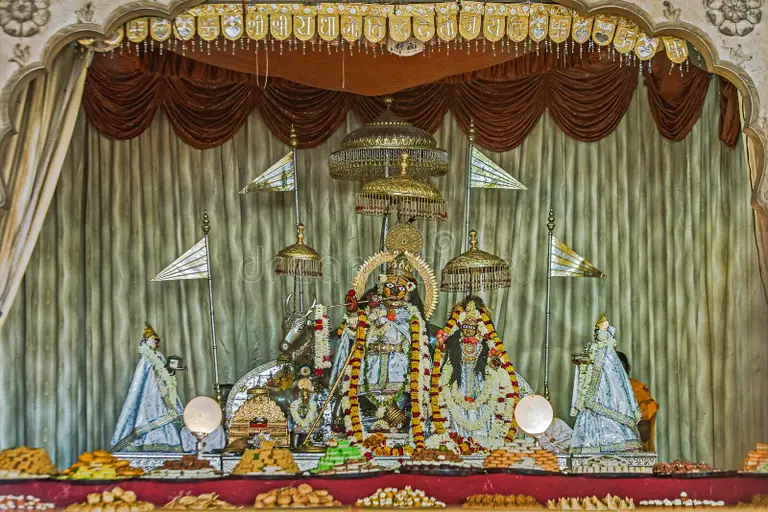
As soon as you step into the Govind Dev Ji temple, the atmosphere of secular historical places changes completely. This 16th century temple is filled with spiritual energy. Devotees flock around the sanctum sanctorum, where continuous worship and offerings are made to the idols of the deities.
This temple is an excellent example of Rajasthani temple architecture, with intricate stone carvings and colorful decorations. The specialty of this temple is that it is directly linked to Krishna worship and the true devotion of the people and residents who visit here is manifested here. This is not a museum piece—it is a living, active temple where prayer happens every moment.
What to Experience : Be sure to attend one of the aarti (prayer) held several times daily. The chanting of mantras, the sound of bells and the aroma of incense sticks provide a spiritual experience that connects you to the age-old spiritual practice. Non-Hindus are generally welcome, although you must enter respectfully and remove shoes at the entrance.
Best time to visit: Morning and evening aarti have less crowd and provide the most spiritual atmosphere. Avoid visiting during peak festival days to avoid excessive crowds.
Practical tip: Admission is free. Photography is prohibited inside the sanctum sanctorum. Respect the puja happening around you. Women should wear decent clothes. Set aside a time of 45 minutes to an hour. The temple is located within the City Palace complex, so you can visit both places together. If you wish, you can bring small coins for donation.
7. Birla Temple (Laxmi Narayan Temple)
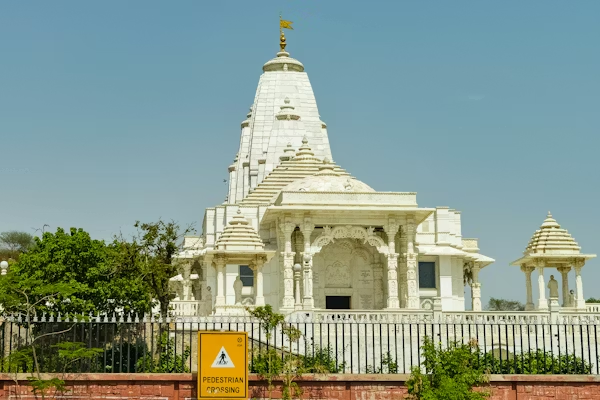
Situated on the slope of the hill, the Birla Temple immediately impresses with its white marble structure and modern architectural style. Built in 1988 by the wealthy Birla business family, the temple is a unique blend of traditional spiritual purpose and contemporary aesthetics.
Unlike centuries-old buildings, Birla Temple appears to shine due to its recent construction and careful maintenance. The marble corridors, huge prayer halls and surrounding gardens create a completely different atmosphere from the old, crowded temples. Its architectural style reflects the ideals of 20th century temple building.
What to Experience: Climb to the top level for views of the city. The marble workmanship is a sight to behold—the patterns reflect light beautifully. The prayer rooms remain quiet even during moderately busy times. The surrounding campus provides a pleasant place to visit.
Best time to visit: Early morning when there is good light and less crowd. It is quiet during the afternoon on weekdays.
Practical Tip: Entry is free. Photography is permitted in most areas. Take out 1-1.5 hours. Wear comfortable shoes for marble floors. Women should wear decent clothes. The temple is located a little outside the main city area, so plan transportation accordingly. Auto-rickshaw fare from the center of Jaipur is around ₹150-200.
8. Jaipur City Wall and Sanganeri Gate
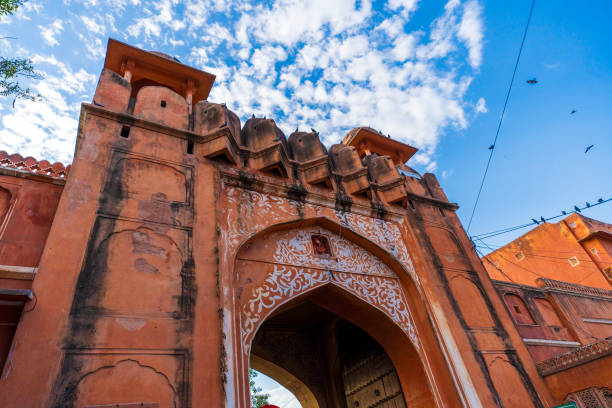
The pink-painted city walls that surround the old city of Jaipur tell a story of their own. Walking or looking at these seven gateways (including the famous Sanganeri Gate) shows the genius of city planning. Maharaja Jai Singh designed Jaipur according to ancient Hindu town planning texts, and these walls are an important part of that vision.
The Sanganeri Gate is the most ornate and most photographed gate. The intricate carvings, arched corridors and vastness of the structure astonish first-time visitors. As soon as you pass through these gates, you leave modern Jaipur and reach the narrow streets and bustling markets of the old city.
What to Experience: Walk through several gates to see the diversity of architecture. Wander the narrow streets of the old town—the market stalls, tea stalls and local life offer a spectacle that tourists rarely capture. The contrast between well-planned, orderly streets and chaotic commercial activities provides interesting photography opportunities.
Best time to visit: Late afternoon when the light falls beautifully on the walls. Avoid midday and busy shopping times.
Practical tip: Admission is free. Photography is allowed. Allow 2-3 hours to visit the many gates and surrounding areas. Wear comfortable walking shoes and carry water. The old town markets can seem a little crowded for newcomers—enjoy the chaos or stick to the main streets. Hiring a local guide for 2-3 hours costs ₹500-800 and adds greatly to the understanding of the history and landscape of the area.
9. Ram Niwas Garden
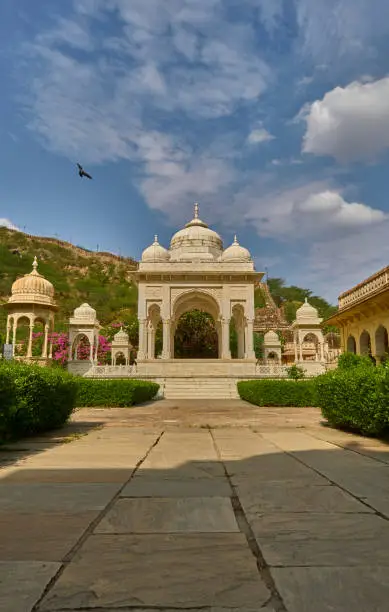
Situated amidst a vast landscape of concrete, Ram Niwas Udyan is an epitome of serene and natural beauty spread across 8 acres of lush green area. Built in 1887 by Maharaja Sawai Ram Singh, this garden is a unique blend of Victorian style landscaping and traditional Indian garden design.
This garden is the major green space of the city and one of the most pleasant places to spend time. Shady paths, fountains, flowerbeds and well-kept landscapes create many tranquil corners. Locals come here for morning walks, families for weekend picnics and tourists to seek respite from the urban hustle and bustle.
What to Experience: Morning walk offers the most pleasant atmosphere and pleasant weather. Get a closer look at local life—elderly people exercising, vendors selling tea, children at play. The zoo is located within the garden complex and houses a variety of animals, although the zoo conditions are typical for Indian zoos. The park’s aviary houses many bird species. There are plenty of opportunities for photography, especially near fountains and flower areas.
Best time to visit: October to March, when the weather is favourable. The morning time is calm and pleasant.
Practical Tips: The entry fee to the park is ₹50 for Indian citizens and ₹200 for foreign tourists. Zoo entry fee is separate. Take out at least 2-3 hours. Bring water and sunscreen. There is a small café in the garden where simple refreshments are available. Photography is permitted throughout the park. Avoid going out during the peak summer season, as the heat at that time makes it uncomfortable to spend time outside. The place is conveniently located within the city, easily accessible from central areas by auto-rickshaw or on foot.
10. Amber Fort
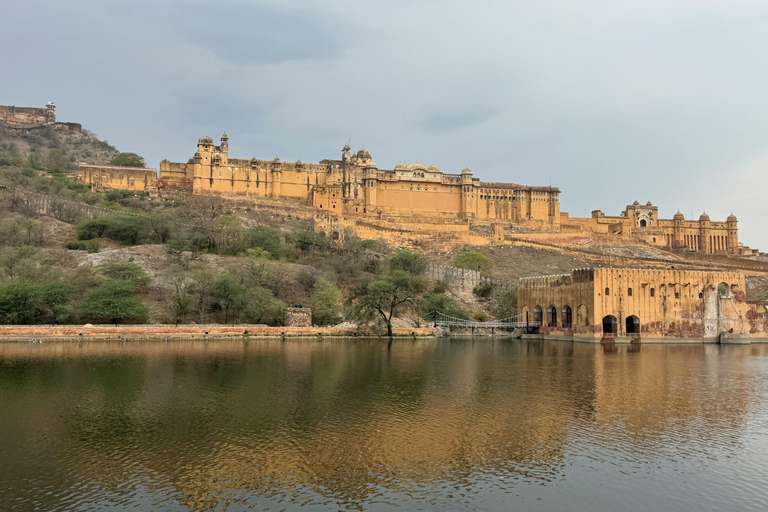
Amer Fort Located just outside Jaipur city, a trip to Jaipur is incomplete without visiting this magnificent hill fort. Situated 600 feet above Maota Lake, this fort wins everyone’s heart with its grandeur from a distance. It is not just a historical building, but one of the most impressive forts of India and ample time should be allowed to visit it.
Built by Raja Man Singh in 1592 and expanded over the centuries, Amer Fort features a blend of Hindu and Mughal architectural styles that reflects the cultural diversity of the region. Built of yellow and pink sandstone, the fort catches the light beautifully throughout the day, and the appearance of the fort changes as the angle of the sun changes. As soon as you step inside the gate of the fort, it feels as if you have come straight to the set of a Bollywood film.
What to Experience: The fort is spread over several levels, consisting of interconnected courtyards, palaces, temples and defensive structures. Sheesh Mahal (Hall of Mirrors) sparkles with intricate mirror work reflecting light. The Diwan-i-Aam (Hall of Common Hall) exhibits royal architecture. The grandeur of the living rooms is reflected in the Sukh Niwas (pleasure room). Don’t miss the underground passageways and secret rooms used strategically by the palace residents. Climb the highest walls for panoramic views of the lake, the surrounding hills and the city in the distance.
Riding an elephant to the entrance of the fort sounds like a romantic idea, but in reality it proves to be inconvenient for both the tourist and the animal. Skip it and ride a jeep instead, which proves to be faster and more ethical.
Best time to visit: Early in the morning (around 8:00 am) when the sunlight hits the sandstone and the crowd is less. The fort opens at sunrise, making the view at sunrise extremely magical. Golden hour in the afternoon is the best time for photography, but there is a lot of crowd during this time. Avoid visiting during the afternoon hours, when the heat becomes unbearable and the crowds are at their peak.
Practical Tip: The entry fee for foreign tourists is ₹600. Audio guides cost an additional ₹300 and provide historical information. The jeep ride costs ₹200 per person. Leave at least 3-4 hours—the fort is more enjoyable when explored over a longer period of time rather than in a hurry. Wear comfortable and well-fitting shoes; The stone stairs become slippery and bumpy in some places. Bring plenty of water and sunscreen. Photography is allowed throughout the fort and the fort offers countless beautiful views. The fort is 11 kilometers from Jaipur city centre; Hire a taxi (₹500-600) or use an app-based ride service.
Comparison Table: 10 Most Famous Places in Jaipur
| Place Name | Famous For | Ideal Time to Visit | Entry Fee (Foreign Visitors) | Time Required |
| Hawa Mahal | Iconic pink palace with 953 windows | Early morning or evening | ₹200 | 45 minutes – 1 hour |
| City Palace | Living royal palace, mixed architecture | October-March, mornings | ₹350 | 2-3 hours |
| Jantar Mantar | Ancient astronomical instruments | Early morning or late afternoon | ₹600 | 1.5-2 hours |
| Albert Hall Museum | India’s oldest museum, diverse artifacts | Weekday mornings | ₹400 | 2-3 hours |
| Nahargarh Fort | Hilltop fort with city views | Sunset | ₹400 | 1.5-2 hours |
| Govind Dev Ji Temple | 16th-century Krishna temple | Morning and evening aarti | Free | 45 minutes – 1 hour |
| Birla Temple | White marble modern temple | Mornings, weekdays | Free | 1-1.5 hours |
| City Walls & Sanganeri Gate | Historic gates, old city exploration | Late afternoon | Free | 2-3 hours |
| Ram Niwas Garden | Green space, zoo, birds | October-March, mornings | ₹200 (garden only) | 2-3 hours |
| Amber Fort | Magnificent hilltop fortress, palace complex | Early morning | ₹600 | 3-4 hours |
FAQs About Visiting Jaipur
When is the Best Time to Visit Jaipur?
October to March is the ideal season to visit Jaipur. Temperatures range from pleasant to cool, skies are clear and outdoor activities are truly enjoyable, not tiring. There is extreme heat from April to June, making it difficult to walk around during the afternoon. There is monsoon rain and humidity from July to September. If you must visit Jaipur any time other than October to March, plan for early morning and evening hours and stay indoors during the afternoon peak hours.
How Many Days Should I Spend in Jaipur?
Two to three days is enough time to see the major sights at a leisurely pace, so you won’t feel rushed. The first day includes Hawa Mahal, City Palace and Jantar Mantar. Day two includes a visit to Nahargarh Fort, city walls and market at sunset. The remaining temples, museums and gardens can be visited on the third day. This schedule also includes rest times and unexpected discoveries. Travelers more interested in history or architecture will benefit from an extra day.
Is Jaipur Safe for Solo Travelers?
Solo travelers are welcome in Jaipur, especially in major tourist areas. Take general travel precautions—avoid secluded areas after dark, keep valuables safe, and trust your instincts about people and situations. Women traveling alone should dress decently, take extra caution in crowded markets and use official taxis or registered auto-rickshaws instead of calling any vehicle. Local tourist police are always helpful and present in major tourist areas.
How Do I Get Around Jaipur?
Local transport is dominated by auto-rickshaws (three-wheelers) and their fares range from ₹50-200 depending on the distance. Negotiate the fare before boarding an unmarked auto, or use the Uber/Ola app for fixed fare rides. Taxis run from hotels and tourist stands. To rent a scooter or motorcycle, it is necessary to have an international driving permit and good handling of traffic. It is convenient to walk in the old town and tourist areas, but walking long distances can be tiring due to the heat and traffic.
What Should I Eat in Jaipur?
Rajasthani cuisine in Jaipur is amazing—be sure to try dal baati churma (with lentils and sweet porridge), gatte ki sabzi (gram flour fritters) and ker sangri (dried vegetables). Red meat (spicy red meat curry) is very spicy. Street food includes Mirchi Vada (fried chilli fritters) and Mohan Mahal (famous sweet shop). The restaurant mainly serves traditional Indian cuisine. Mango, pomegranate and sugarcane juices are available at fresh juice stalls. Avoid street food of questionable hygiene; Buy only from busy sellers where sales are good.
Conclusion
Jaipur offers an experience that stays with you long after you return home. Pink-painted buildings, vibrant markets, spiritual temples and historical monuments open up many dimensions of discovery as you progress. Whether you spend two days seeing the top attractions or a week delving deeper into the neighborhoods and local culture, Jaipur rewards patient and curious travelers.
These 10 famous places form the foundation of a Jaipur trip, but there’s much more to the city than just these top attractions. Temples hidden in narrow streets. Unexpected courtyards provide moments of peace. Conversations with shopkeepers and locals change the perspective. The real magic of Jaipur resides here.
Plan your visit between October to March, when the weather is favourable. If you prefer a planned tour, consider booking well-researched Jaipur tour packages that include hotels, transportation, and guided experiences. For those seeking a comprehensive experience of North India, Golden Triangle tour packages efficiently combine Jaipur, Delhi and Agra into one logical itinerary.
Wear comfortable shoes, drink plenty of water, walk slowly and make time for casual experiences in your schedule. Jaipur is best experienced when you maintain a balance between planned sightseeing and unplanned wandering. Go down the narrow street that catches your attention. Stop for tea with a stranger. Watch the sunset from an unexpected rooftop. These moments, more than any information in any guidebook, will define your Jaipur experience.
You May Like – Pioneer Holidays
