

If you want a real chance at spotting a Royal Bengal tiger in the wild, Ranthambore is your best bet in all of India. I’ve been on safaris here more times than I can count, and every single visit feels different. The park is set up in a way that actually gives you a fighting chance — open terrain, well-managed zones, and guides who genuinely know their stuff.
Here’s everything I’ve learned about how to make the most of your trip.
Choose the Right Safari Zone
This is probably the most important decision you’ll make before you even set foot in the jungle. Ranthambore is divided into several zones, and they’re not equal when it comes to tiger activity.
When I first started visiting, I just booked whatever zone had availability. Big mistake. I spent entire safaris in areas where tigers hadn’t been spotted in weeks.
A few things to keep in mind:
- Different zones open on different days — this is done to prevent overcrowding and protect the ecosystem
- Check which zones are open on your travel dates before booking
- Ask about current tiger activity in each zone — the park updates this regularly
- Don’t rely on old travel blogs for this; call the booking office directly
You’ll ride in a gypsy — an open-sided jeep built specifically for safari conditions. The 360-degree visibility it gives you is something no enclosed vehicle can match. You can hear the forest, use your binoculars properly, and react quickly when your guide spots something.
Book Morning Safaris for Best Sightings
If there’s one piece of advice I’d give anyone planning a morning safari in Ranthambore, it’s this: always choose the early slot, no exceptions.
Tigers are most active in the cooler hours right after sunrise. They’re hunting, drinking, and moving along the trails. By mid-morning, they’ve usually retreated to the shade. I’ve had encounters at waterholes, seen tigers stalking prey along jungle paths, and watched them cross open clearings — all before 9 AM.
Practical tips for booking:
- Book your morning slot at least 2 to 3 weeks in advance — they fill up fast, especially in peak season
- The very first gypsy departure at first light gives you the best window
- If visiting during a holiday period, book even earlier
What to Do When You Enter the Zone
Once you’re inside the park, your job is simple: stay alert and trust your guide.
Here’s what actually works:
- Keep binoculars in your lap, not in a bag. When a tiger appears, you have seconds before it disappears into cover. I once missed a clear sighting because I was fumbling with my camera strap.
- Watch for alarm calls. Sambar deer bark, langurs jump and screech, peacocks call out. These animals are your early warning system. A good guide uses these sounds like a GPS.
- Scan the terrain methodically. Tiger stripes break up their outline brilliantly. What looks like a patch of rocks at 200 meters could be a resting tiger.
- Follow your guide’s directions immediately. When they stop the gypsy and point, sit absolutely still and look exactly where they indicate.
- Pay attention to habitat. Tigers prefer rocky terrain, dense patches near water, and areas where prey animals gather.
Best Zones for Tigers (Zone 1–5 vs Zone 6–10)
Here’s a quick breakdown of the zones based on my experience and what guides have told me:
| Zone | Tiger Sighting Rate | Key Features |
| Zone 1 | Very High | Open terrain, waterholes, most accessible |
| Zone 2 | High | Rocky ridges, dense forest patches |
| Zone 3 | High | Lake area, grasslands, prey concentration |
| Zone 4 | Moderate | Deeper forest, fewer tourists |
| Zone 5 | Variable | Seasonal water, depends on rainfall |
| Zone 6–10 | Lower | Remote areas, newer tiger territory |
My honest recommendation: Stick with Zones 1 to 5 for the best chance at a tiger sighting in Ranthambore. I’ve had my most memorable encounters in Zones 1 and 3 specifically.
Zone 1 is great because the terrain is open — you can see a long way. Zone 3 combines water sources with thick prey populations, and tigers know it well. Zones 6 to 10 do have tigers, but sightings are infrequent. I’d save those for a return trip.
Tips from Expert Guides
Over the years, the most valuable things I’ve learned came from seasoned Ranthambore gypsy safari guides. Here’s what they’ve shared with me:
- Know the individuals. Each tiger has a territory with a name — T1, T5, T19. Expert guides track their movements, preferred routes, and watering habits.
- Fresh signs matter. Paw prints, scratch marks on trees, fresh scat — these tell a guide where a tiger has been in the last few hours.
- Distance deceives you. What looks like a rock from far away might be a tiger. Always scan with binoculars even when nothing obvious stands out.
- Read body language. Ears pinned back, tail twitching, direct eye contact — that means back off slowly. Your guide will always maintain a safe distance.
- Season shapes behavior. In dry months, tigers concentrate around waterholes. In wetter months, they spread out and are harder to find.
What to Expect If You Don’t See a Tiger
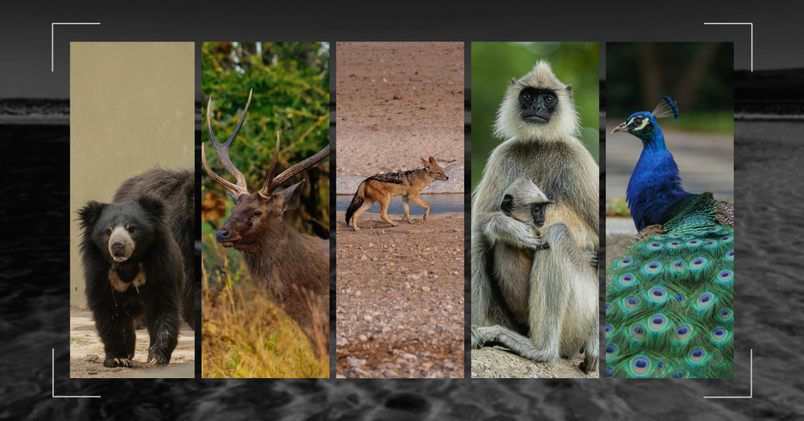
I’ll be upfront about this: even with perfect planning, you might not see a tiger. The average tiger sighting probability in Ranthambore is around 50 to 60 percent per safari, depending on the zone and season.
But here’s the thing: the forest is still incredible. On safaris where I didn’t spot a tiger, I’ve seen:
- Sloth bears emerging from rocky caves at dawn
- Sambar deer herds moving through open clearings
- Jackals hunting in coordinated pairs
- Langurs leaping through the canopy in extraordinary acrobatic displays
- Peacocks in full display, calling out across the grassland
My strong advice: book at least 2 to 3 safaris if you’re visiting for multiple days. Your odds improve significantly with each trip into the forest.
Best Time of Year for Tiger Sightings
Timing your visit correctly makes a real difference. Here’s what each season looks like on the ground:
November to January — Peak Season
The best window for sightings. Weather is cool, vegetation has thinned, and tigers are active. Crowds are heavy, so book well in advance.
February to April — Also Excellent
Temperatures are still manageable in the mornings. Animals congregate near water sources, making them easier to locate. This is my personal favourite window to visit.
May to June — Hot but Possible
Intense heat in an open jeep. Tigers tend to stay in shade. However, water scarcity forces them to predictable spots, so sightings do happen.
July to September — Monsoon, Avoid
Heavy rains make many trails impassable. Tigers spread across the landscape and are rarely spotted. The park is often partially closed.
October — Underrated Gem
The monsoon has just ended, crowds haven’t arrived yet, and tiger activity is picking back up. The forest is lush and green. If you can visit in October, seriously consider it.
Common Mistakes to Avoid
- Talking loudly in the jeep — sound travels far and alerts animals
- Assuming one safari is enough — it rarely is
- Expecting a guaranteed sighting — this is wildlife, not a zoo
- Ignoring your guide’s advice — they know far more than any travel article
- Wearing bright colors — stick to neutral, earthy tones
Essential Packing List
- Lightweight, neutral-colored clothing (no bright whites or reds)
- Binoculars — this is non-negotiable
- DSLR or a good zoom camera
- Sunglasses and a wide-brimmed hat
- Water bottle — hydration matters in open jeeps
- Light jacket or layer for early morning cold in winter months
Plan Your Ranthambore Tiger Adventure
Seeing a Royal Bengal tiger in India isn’t a matter of luck alone — it’s about making smart choices. The right zone, the right time of day, the right season, and the right mindset all combine to give you a genuine shot at something extraordinary.
Ranthambore rewards patience and preparation. Come with realistic expectations, book multiple safaris, listen to your guide, and let the forest reveal itself on its own terms.
Ready to make it happen? Book the Golden Triangle Tour with Ranthambore and experience two safaris that could genuinely change the way you see the natural world. You get India’s iconic cultural landmarks combined with the raw thrill of tracking tigers through one of India’s finest national parks.
Frequently Asked Questions
1. What are the chances of seeing a tiger in Ranthambore National Park?
On average, you have roughly a 50 to 60 percent chance per safari, depending on the zone and season. Taking multiple safaris across different zones improves your odds significantly.
2. What is the best time to see tigers in Ranthambore?
November to April is the prime window. February to April is especially good as water becomes scarce and tigers gather at predictable spots.
3. How many safaris should I book?
At minimum, 2 to 3 safaris. Each outing gives you a fresh chance with different conditions and different zones.
4. Which zones are best for tiger sightings?
Zones 1 to 5 consistently deliver the highest sighting rates. Zones 1 and 3 are particularly strong choices for first-time visitors.
5. What are the best tips for spotting a tiger?
Stay quiet, follow your guide without hesitation, book early morning slots, listen for alarm calls from deer and langurs, and always have binoculars in hand before entering the zone
You May Like – Pioneer Holidays
